
Kurdistan
Divided between Turkey, Syria, Iraq, and Iran by the Sykes-Picot Agreement of 1916. The Kurds were promised a homeland in the 1920 Treaty of Sevres; that promise was revoked just a few years later.
—
Designed digitally with Procreate in 2026,
Gifted to a Kurdish friend on their birthday in April 2026
Physical edition in the backlog
Species featured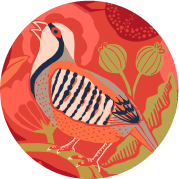
Chukar Partridge
Alectoris chukar
Native to the Zagros and Taurus mountains — the ecological heart of Kurdistan — embedded in Kurdish poetry as a marker of home terrain, and recognised across the region as the Kurdish national bird. The chukar doesn't recognise the borders of Sykes-Picot or Lausanne. It hunts across a continuous mountain ecosystem that four national governments claim in fragments. Globally it is not listed as endangered, but across Iraqi Kurdistan its populations have declined sharply from uncontrolled hunting, habitat destruction, and climate change. The communities who share its landscape have spent a century being expelled from it.
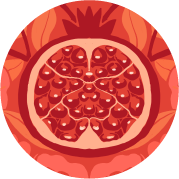
Pomegranate
Punica granatum
Cultivated here for five thousand years. Present in Zoroastrian cosmology, Newroz ceremonies, wedding rituals across all four territories that divide Kurdistan. The fruit's interior — many seeds within one skin — is read in Kurdish tradition as a figure for community. The broader Ba'athist anti-Kurdish campaign (1986–89), including the Anfal operations of 1988, destroyed over four thousand Kurdish villages and the agricultural systems, including orchards, that sustained them. The pomegranate survived. The villages did not.
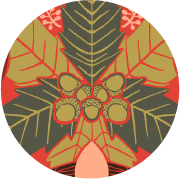
Kermes Oak
Quercus coccifera
Its bark hosts the kermes scale insect — one of the world's oldest red dyes, with origins in Mesopotamia possibly as early as the third millennium BC, and documented use in Persian court dress and Byzantine ceremony for millennia. First displaced by Spanish colonial cochineal from the sixteenth century onward, then again by synthetic dyes from the mid-nineteenth century — a sequential erasure across three centuries, not a sudden one. The oak survives: thorny, drought-tolerant, adapted to the same rocky, contested terrain Kurdish communities have inhabited and defended as long as the region has been recorded.
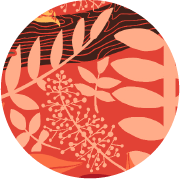
Pistachio
Pistacia vera
Native to these highlands, cultivated for millennia on rocky soils that support little else — a cornerstone of Kurdish mountain agriculture. Under Saddam Hussein's Arabisation policies, Kurdish agricultural land, including pistachio orchards, was systematically confiscated to displace Kurdish communities from historic territory. Britain exported defence-related equipment to Iraq throughout the 1980s and secretly relaxed export guidelines even after the Halabja chemical attack. The tree outlives the policies.
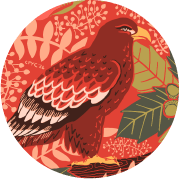
Steppe Eagle
Aquila nipalensis
Endangered. Migratory across dozens of countries between its Central Asian breeding grounds and its wintering areas in Africa and South Asia. Electrocuted by power lines — confirmed as the most frequently electrocuted raptor in studied regions, accounting for a third to half of all powerline bird fatalities. Its survival depends on governments with no mechanism to cooperate on its behalf. The Kurds have made the same argument for a century: a people whose territory crosses four borders cannot be governed by any one of them. The eagle and the people share the same political problem.
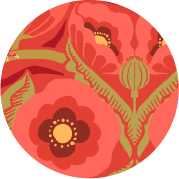
Opium Poppy
Papaver somniferum
Grown in the Fertile Crescent since antiquity. The British colonial opium system — extensively documented in India and Burma, where cultivation was used as a mechanism of revenue extraction and population dependency — operated across the territories Britain administered after Sykes-Picot divided the region in 1916. Whether opium cultivation under the Mandate of Mesopotamia was formally integrated into colonial revenue in the same way as Bengal remains insufficiently documented; what is documented is that Britain administered a region with a centuries-old poppy-growing culture, extracted its oil, and drew its borders. The red flower marks the logic, not the ledger.
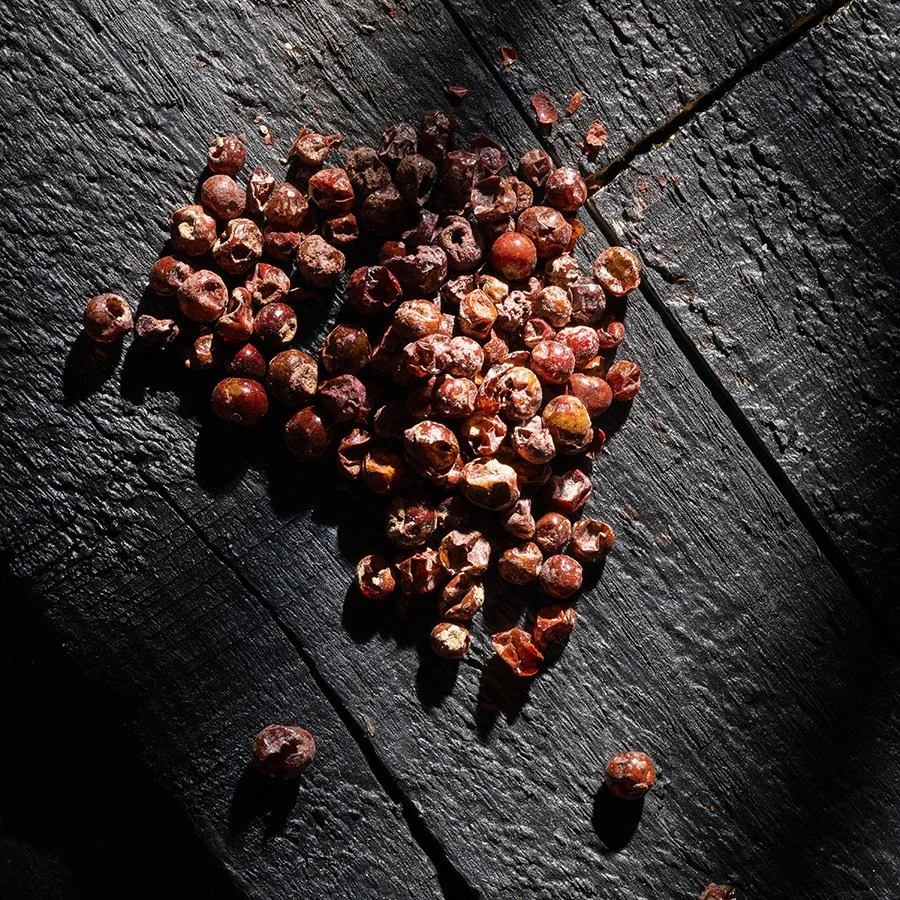
Color ThemeKurdish Crimson
Three red dyes in one: the deep red of kermes oak resin, used across the ancient Near East for millennia; the flower-red of the opium poppy, cultivated under the British Mandate as a revenue crop; and the blood of Halabja, where chemical weapons — supplied through networks Western governments facilitated — killed up to 5,000 Kurdish civilians in a single day in 1988.